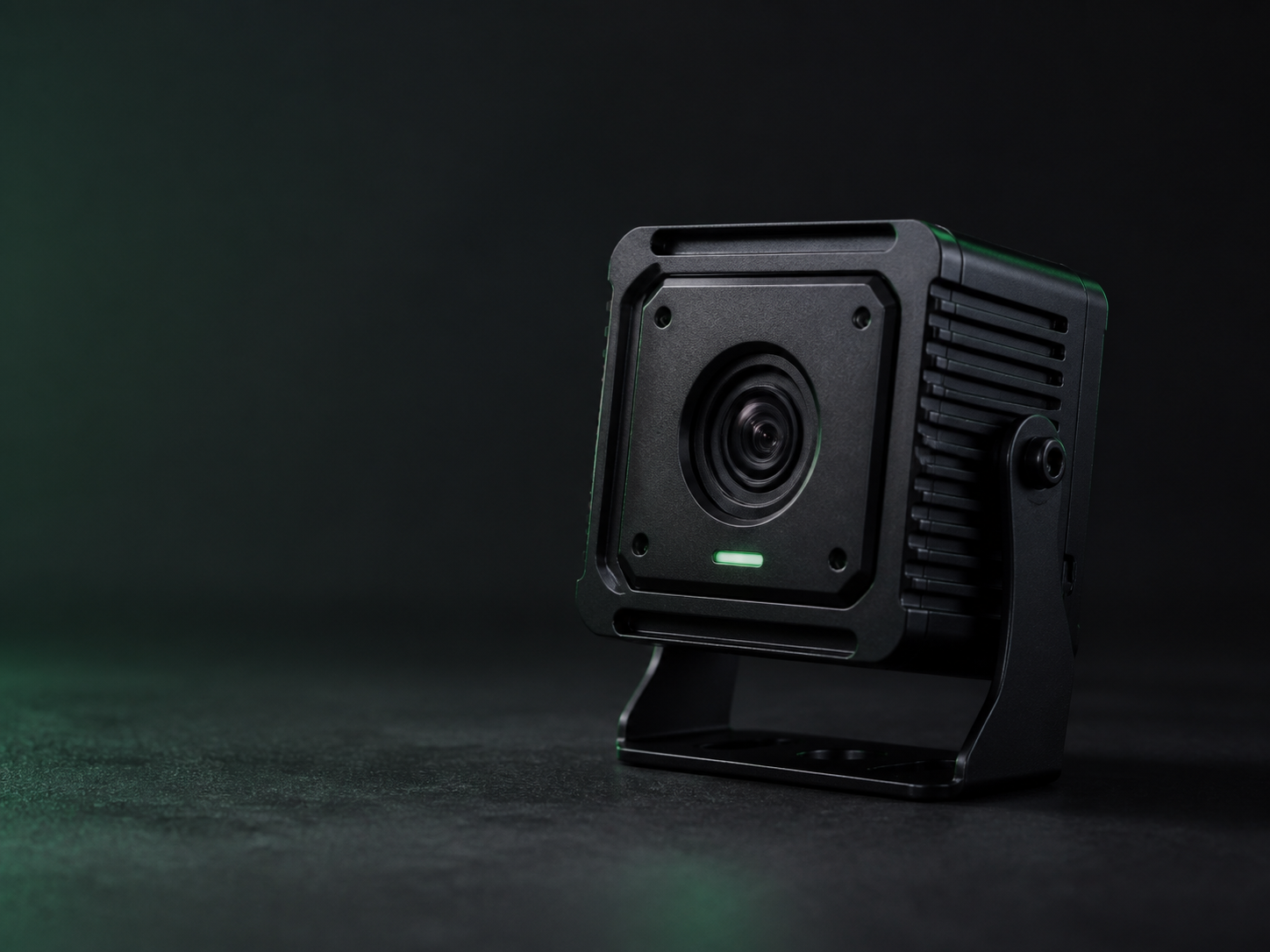
AI vision nodeCamera / Edge AI
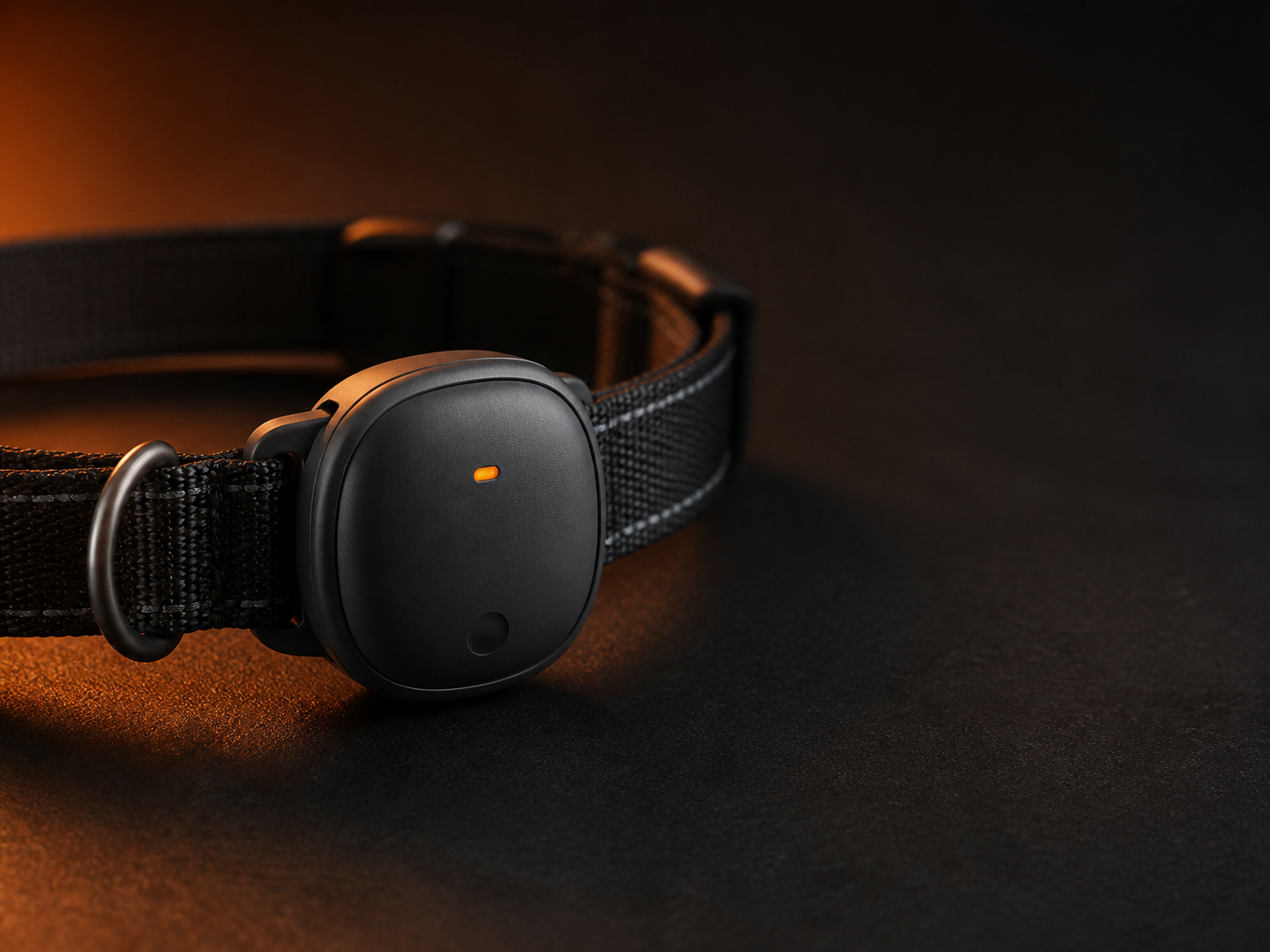
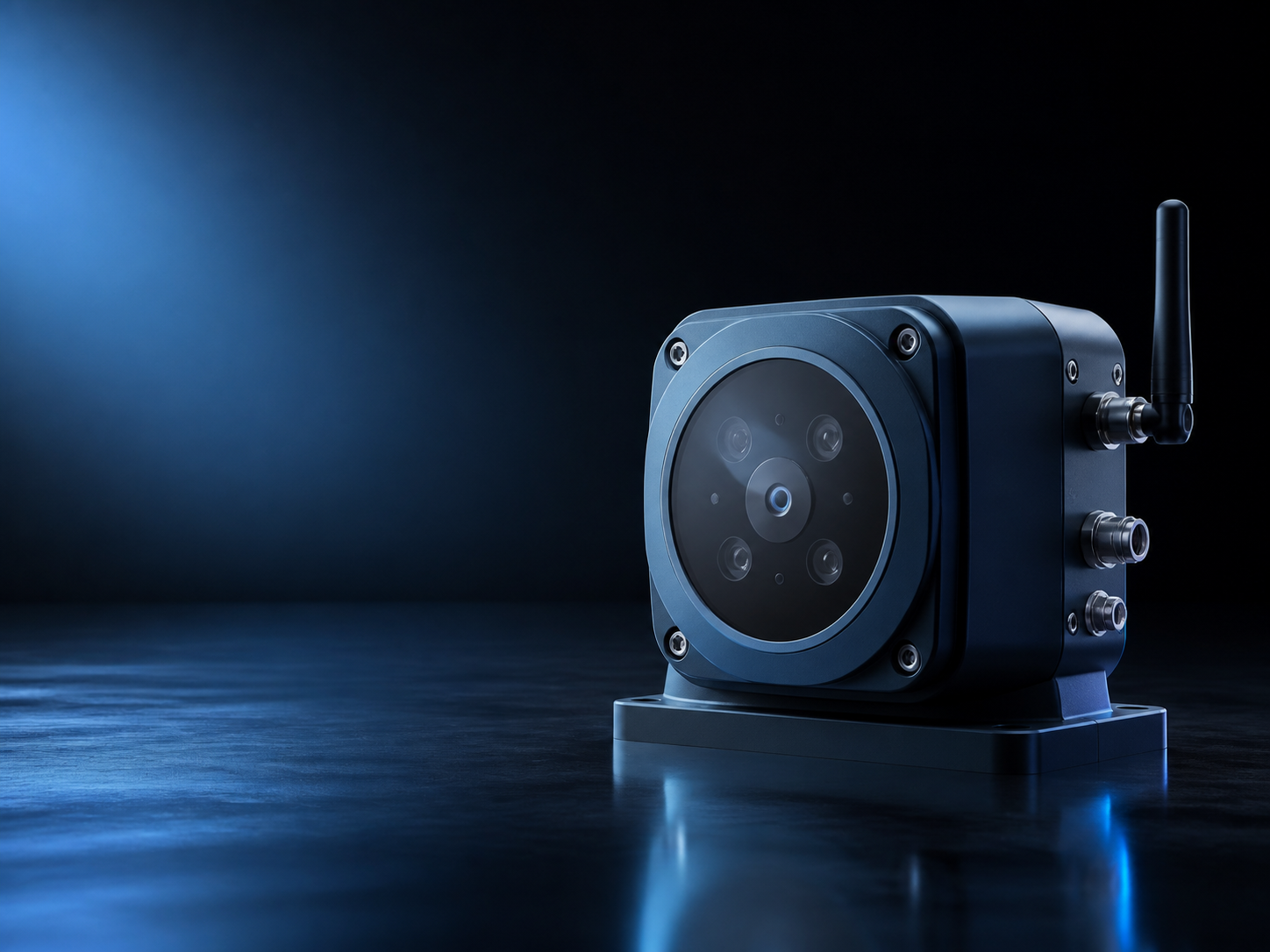
ProtoKicker helps AI hardware teams turn early concepts into testable POC prototypes, then move validated projects toward EVT, pilot production and a clear manufacturing handoff.
We help you prove the questions that decide whether the product deserves the next engineering spend.
Share the user, AI function, physical constraints, timeline and production intent.
↗We define the POC question, risk map, acceptance criteria, SOW and build path.
↗Hardware, firmware, edge AI, sensing and demo software are developed as one system.
↗You receive the prototype, test evidence and a clear route to EVT, pilot or stop.
↗Camera, sensing, edge compute, firmware, AI behavior and production readiness are treated as one system.
Pet, home, retail, creator, safety and industrial vision devices that need sensing, inference and a physical demo.
Vision / Edge AICompact products combining camera, microphone, speaker, battery, wireless connectivity and AI interaction.
Voice / VisionTranslate validated learning into EVT, sourcing, test plans and small-batch readiness.
EVT / PilotB2B hardware scope depends on technical risk and validation depth. We make the deliverables, boundaries and next decision explicit.
Build a complete sensing system: optics, embedded hardware, edge AI, software workflow and real-world validation in one project team.
Explore direction ↗Combine camera, microphone, speaker, wireless connectivity, battery and AI behavior into a physical interaction loop.
Explore direction ↗Validate perception, alerting and operator workflow under the lighting, connectivity and installation constraints of real environments.
Explore direction ↗B2B hardware scope depends on technical risk and validation depth. We make the deliverables, boundaries and next decision explicit.
Defined by SOW and acceptance criteria.
Defined by SOW and acceptance criteria.
Defined by SOW and acceptance criteria.
Need a more detailed answer? Visit our full FAQ or submit your product brief.full FAQ or submit your product brief.
Custom AI hardware cost depends on sensors, compute, form factor, software, model work, prototype count and validation depth. We keep pricing project-specific, but make the process and deliverables explicit.
Yes. Feasibility review turns a loose concept into a buildable scope, risk map, acceptance criteria and next-stage plan.
A POC should prove the decisive technical and product question: sensing, AI behavior, latency, power, demo workflow, user value or manufacturability direction.
You receive the risk evidence, alternative routes and a recommendation to revise, pause or stop before spending more.
Yes. Validated projects can move into engineering prototype, EVT, pilot production planning and manufacturing handoff.
Share the product category, AI behavior, physical constraints and production intent. We will review fit, risks and the right next engagement.
Prefer a conversation? Message @protokicker on WhatsApp